There comes a season in life when many people begin to look at aging with more concern than gratitude. The body changes. Energy may shift. Certain abilities may not come as easily as they once did. There may be new responsibilities, losses, disappointments, or questions about what the future holds. In that setting, joy can begin to feel optional, fragile, or even out of reach.
But joy is not reserved for the young. It is not something that disappears simply because the years move forward. In many ways, joy becomes more meaningful with age because it is no longer confused with constant excitement, outward success, or the approval of others. It becomes steadier. Deeper. Wiser.
Barbara Hannah Grufferman’s work offers an encouraging perspective on this stage of life. She challenges the fear-based view of aging and replaces it with a more empowering one: getting older does not have to mean shrinking back from life. It can mean stepping into life more fully, with greater clarity, courage, and intention. One of the great lessons in that message is this: choosing joy as we age is not denial. It is a decision.
Joy Is Not the Absence of Challenge
Let me explain. Many people hear the phrase choose joy and assume it means ignoring pain, pretending everything is fine, or refusing to acknowledge grief, limitation, or uncertainty. That is not true joy. That is performance.
Real joy can exist in the same life that holds heartbreak, physical challenges, setbacks, and change. In fact, mature joy often grows in people who have learned that life is not perfect and never will be. They have suffered enough to know that waiting for ideal circumstances is not a reliable path forward.
Choosing joy means deciding that the changes of aging will not have the final word over your inner life. It means refusing to let fear, self-pity, bitterness, or comparison become the dominant voice in your thinking. It means learning to ask, even now: What is still good? What is still possible? What can still be nurtured in my mind, body, relationships, and purpose?
That is not naïve. It is strong.
Aging Can Bring Freedom
One of the most hopeful ideas in Grufferman’s work is that aging can bring a kind of freedom many people did not fully experience when they were younger. With age can come a greater sense of confidence, less concern over outside judgment, and a clearer understanding of what actually matters.

That shift matters because joy often grows where comparison begins to lose its grip.
When people are younger, they may spend years chasing expectations that do not truly fit their lives. They may pursue appearances, achievements, or roles that win approval but do not create peace. As the years go by, many begin to see more clearly that a meaningful life is not built by impressing others. It is built by living with honesty, gratitude, connection, and purpose.
That realization can be deeply joyful.
There is something beautiful about reaching a point in life where you no longer feel the need to perform youth in order to have value. You can stop fighting to be a younger version of yourself and start becoming a wiser, steadier, more grounded version of yourself. That is not giving up. That is moving ahead.
Small Choices Shape the Emotional Tone of Our Later Years
Another valuable theme in Grufferman’s work is the power of small steps. A better life is not usually built in one dramatic moment. More often, it is shaped by small repeated choices.
Joy works in much the same way.
Most people do not wake up one morning and suddenly become joyful. Joy is often strengthened through habits that create space for it. A walk outside. A nourishing meal. Meaningful prayer. Quiet gratitude. A phone call with someone you love. Laughter. Movement. Music. Rest. Reading something that lifts your thinking. Serving another person. Paying attention to beauty instead of rushing past it.
These choices may seem small, but small things accumulate. So do their opposites.
If a person feeds discouragement every day, isolates every day, rehearses every fear every day, and neglects the basic needs of body and mind every day, joy will feel more distant. But if that same person begins, even gradually, to care for their physical health, guard their thought life, stay connected to others, and remain open to purpose, the emotional atmosphere of life can begin to change.
This is one reason healthy routines matter. They are not merely about adding years to life. They may also help add life to those years.
Joy Grows Where Gratitude Is Practiced
As people age, it is easy to give most of their attention to what has been lost. Sometimes those losses are real and painful. Certain seasons do close. Certain opportunities pass. Certain abilities change. Loved ones may no longer be present. The body may require more care and patience.
Still, gratitude helps us take a closer look at what remains.
Gratitude does not erase sorrow, but it keeps sorrow from becoming the only lens through which life is viewed. It trains the heart to notice daily mercies. A good conversation. A sunrise. A meal shared with family. Wisdom gained through hardship. The ability to encourage someone else because of what you have lived through. The quiet strength that comes from surviving what once seemed impossible.
There is joy in that kind of seeing.
Many older adults become some of the most joy-filled people in a room not because life has been easy for them, but because they have learned to recognize goodness more quickly. They do not require constant novelty to feel alive. They have learned the value of ordinary gifts.
Fear Can Be a Turning Point, Not a Prison
One of the striking ideas in Grufferman’s writing is that fear about aging does not have to trap us. It can also wake us up.
That is an important distinction.
Fear can lead a person to give up, withdraw, and assume decline is the only story ahead. But fear can also become a signal that something needs attention. It can motivate someone to make meaningful changes, ask better questions, seek wise guidance, move their body more faithfully, reconnect with neglected priorities, and begin living with greater intention.
In that way, fear can become a doorway rather than a dead end.
Choosing joy as we age does not mean never feeling afraid. It means refusing to build a home inside that fear. It means acknowledging the concern, then deciding to move forward anyway with wisdom and courage.
There is joy in reclaiming that agency.
Joy and Health Are Often Connected

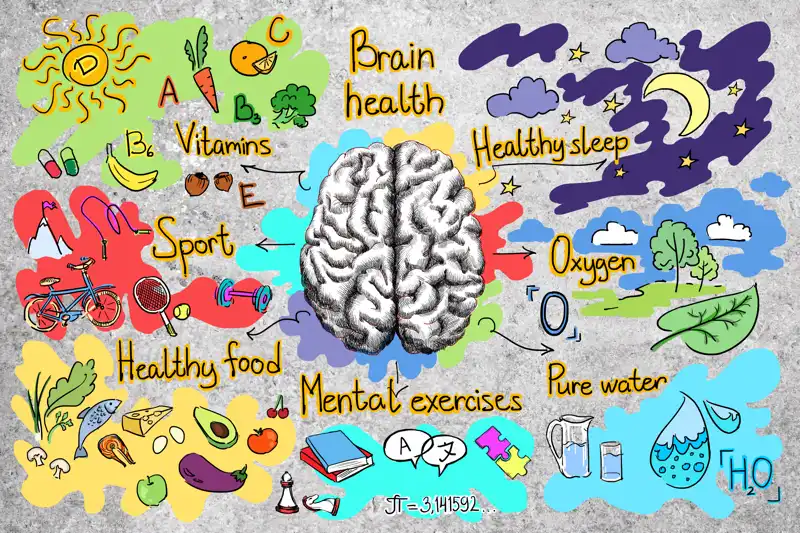
From a practical standpoint, joy is easier to access when we care for the body that carries us through life. That does not mean health must be perfect before joy becomes available. It does mean the choices we make with sleep, movement, nourishment, stress, and connection can support emotional resilience.
In my office, I have seen again and again that when people begin to understand their bodies better, they often become more hopeful. Knowledge can change outlook. Good routines can change energy. Feeling stronger, sleeping better, and moving with less discomfort can create more room for gratitude, patience, and delight.
This is why aging well should never be reduced to appearance alone. A joyful later life is not mainly about looking younger. It is about living better. It is about doing what you can to support your brain, body, emotions, and relationships so that you can remain engaged with life.
A whole-person approach matters here. Physical health, emotional health, spiritual perspective, and daily habits all influence one another. When one area begins to improve, it often supports progress in the others.
Comparison Steals Joy
One of the greatest threats to joy in later life is comparison. Some compare themselves to younger versions of who they used to be. Others compare themselves to peers who seem stronger, busier, wealthier, or less burdened. That habit can quietly drain hope.
But aging is not a competition.
Your assignment is not to become someone else at seventy, sixty, or eighty. Your assignment is to become the healthiest, wisest, most faithful version of yourself at the age you are now.
That shift can be liberating.
When you stop measuring your worth against youth, speed, or appearance, you can start paying attention to deeper markers of a good life. Are you growing in wisdom? Are you learning to love people better? Are you taking care of your health more intentionally? Are you becoming more peaceful, more grounded, more grateful, more alive to what matters most?
Those questions point in a far better direction.
Purpose Protects Joy
People tend to lose joy when they believe their usefulness has expired. That is one of the cruelest lies attached to aging.
As long as you are here, your life still carries value. Your encouragement matters. Your experience matters. Your prayers matter. Your wisdom matters. Your story matters. Your presence matters.
There are younger people who need what only the years have taught you. There are family members, friends, neighbors, and communities who benefit from the steadiness of someone who has lived long enough to know that panic is not wisdom and that hardship does not last forever.
Purpose does not always look the same in every season. It may become quieter. More relational. More deliberate. But it remains essential.
Joy often returns when a person remembers they still have something to give.
Choosing Joy Is a Daily Practice
We do not choose joy once and finish the work. We choose it again and again.
We choose it when we take care of our bodies rather than neglect them.
We choose it when we tell the truth about our discouragement instead of letting it harden into cynicism.
We choose it when we stay curious, keep learning, remain engaged, and refuse to believe our best contribution is behind us.
We choose it when we make room for rest, gratitude, beauty, worship, laughter, friendship, and service.
We choose it when we stop asking, “How do I stay young?” and begin asking, “How do I live this season well?”
That question can change a life.
Neurofeedback May Help Support Mood and Emotional Balance

Another factor worth considering is how the brain itself responds to stress over time.
When a person lives for years under strain, grief, uncertainty, poor sleep, or ongoing physical challenges, the brain can begin to favor patterns that keep the body in a more reactive state. That can make it harder to feel calm, steady, hopeful, or emotionally resilient.
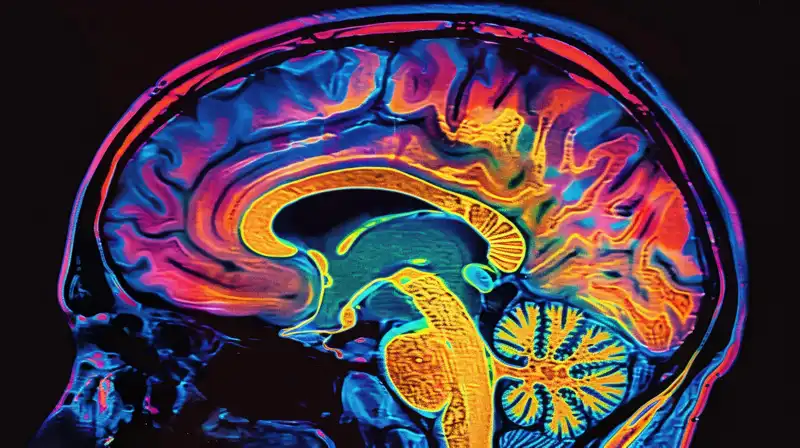
This is one reason neurofeedback (EEG biofeedback) has drawn increasing attention. Neurofeedback is a form of brain-based training that helps the brain recognize and gradually shift away from less efficient stress-dominant patterns. In simple terms, it gives the brain feedback about its own activity so it can learn to function in a more balanced way.
That matters because mood and emotional regulation are not only matters of willpower. They are also influenced by how well the brain is processing stress, recovery, focus, and internal balance.
Research in recent years suggests that neurofeedback may help improve mood regulation and may reduce symptoms associated with depression and anxiety in some individuals by helping stabilize the brain networks involved in emotional control and lowering basal stress patterns. If you enjoy looking deeper into the science, one helpful review is available here: https://pmc.ncbi.nlm.nih.gov/articles/PMC8672673/
In my office, I have seen that when brain function becomes more regulated, people often describe more than better focus or calmer thinking. They may also report feeling more like themselves again. More settled. More hopeful. More able to respond rather than react.
That kind of change can make joy easier to access.
Of course, no single approach is the answer for every person. But when we talk about choosing joy as we age, it is worth remembering that supporting the brain may be part of supporting the heart, the mind, and the emotional tone of everyday life. Sometimes a closer look at brain function can open the door to greater peace and resilience.
A Closing Encouragement
If aging has felt heavy to you lately, take heart. You do not need to pretend the changes are easy. You do not need to deny the losses. But you also do not need to surrender your joy.
Take a closer look at the choices in front of you today. Is there one habit that would support better energy? One relationship that needs attention? One burdened thought pattern that needs to be challenged? One beautiful thing you have been too hurried or too worried to notice?
Start there.
Joy in later life is often built the same way strength is built: one decision at a time.
And always remember one of my favorite mantras: the more you know about how your body works, the better you can take care of yourself.
When knowledge is joined with gratitude, courage, purpose, and wise daily choices, aging does not have to become a story of retreat. It can become a story of depth, dignity, and renewed life.
You may not be able to control the passing of time, but you can still choose how you meet it.
Choose joy.
Schedule a Free Evaluation or call (586) 731-8840 and see how beneficial the Michigan Brain Health neurofeedback program can be for your brain fitness.
For more details about my natural approach with my patients, look at the book I wrote, Reclaim Your Life: Your Guide To Revealing Your Body’s Life-Changing Secrets For Renewed Health. It is available in my office, on Amazon, and in many other book outlets. If you found value in this article, please use the social sharing icons at the bottom of this post, and please share with those you know who are still suffering from chronic health challenges despite receiving medical management. Help me reach more people so they may regain their zest for living! Thank you!